ABOUT US
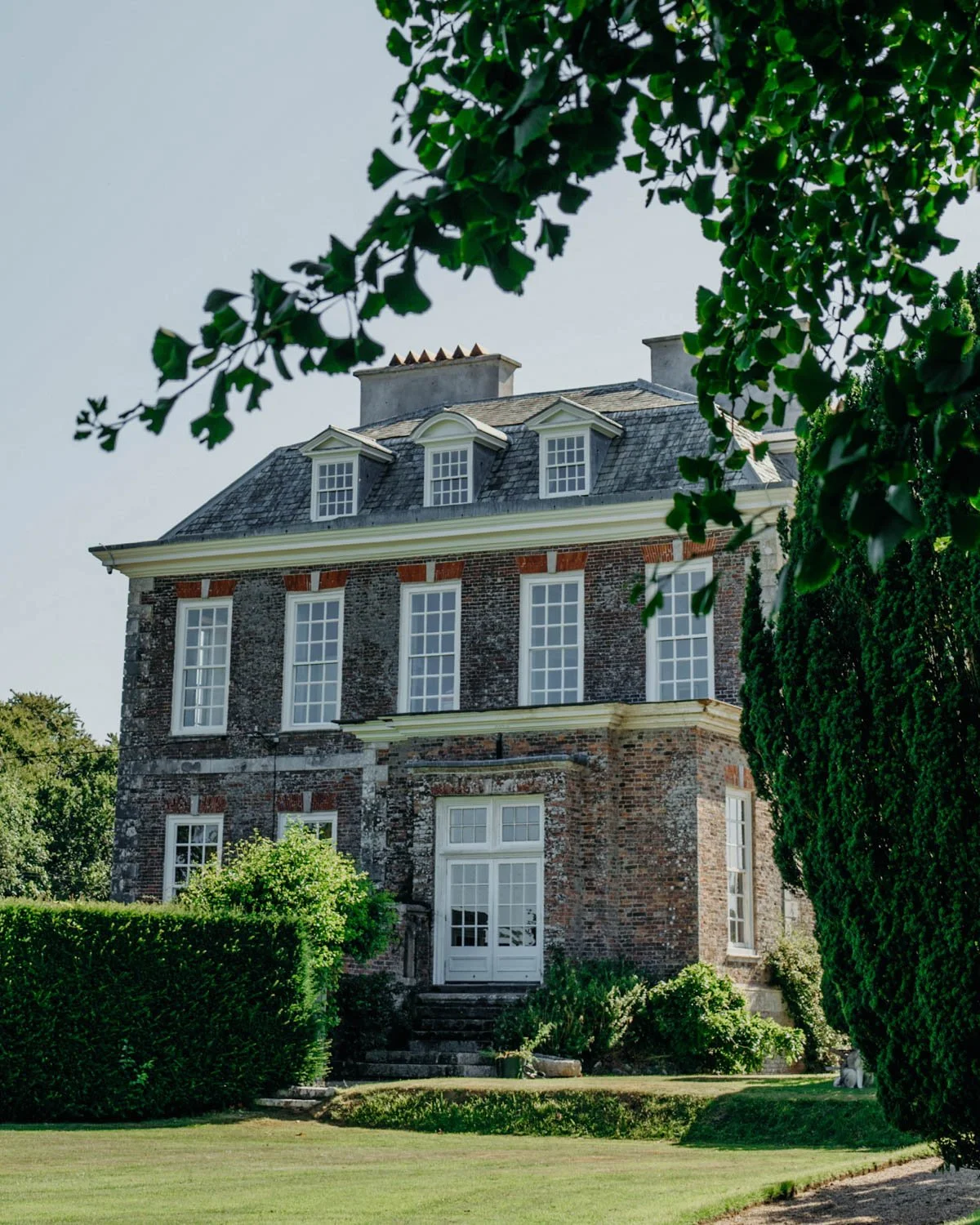
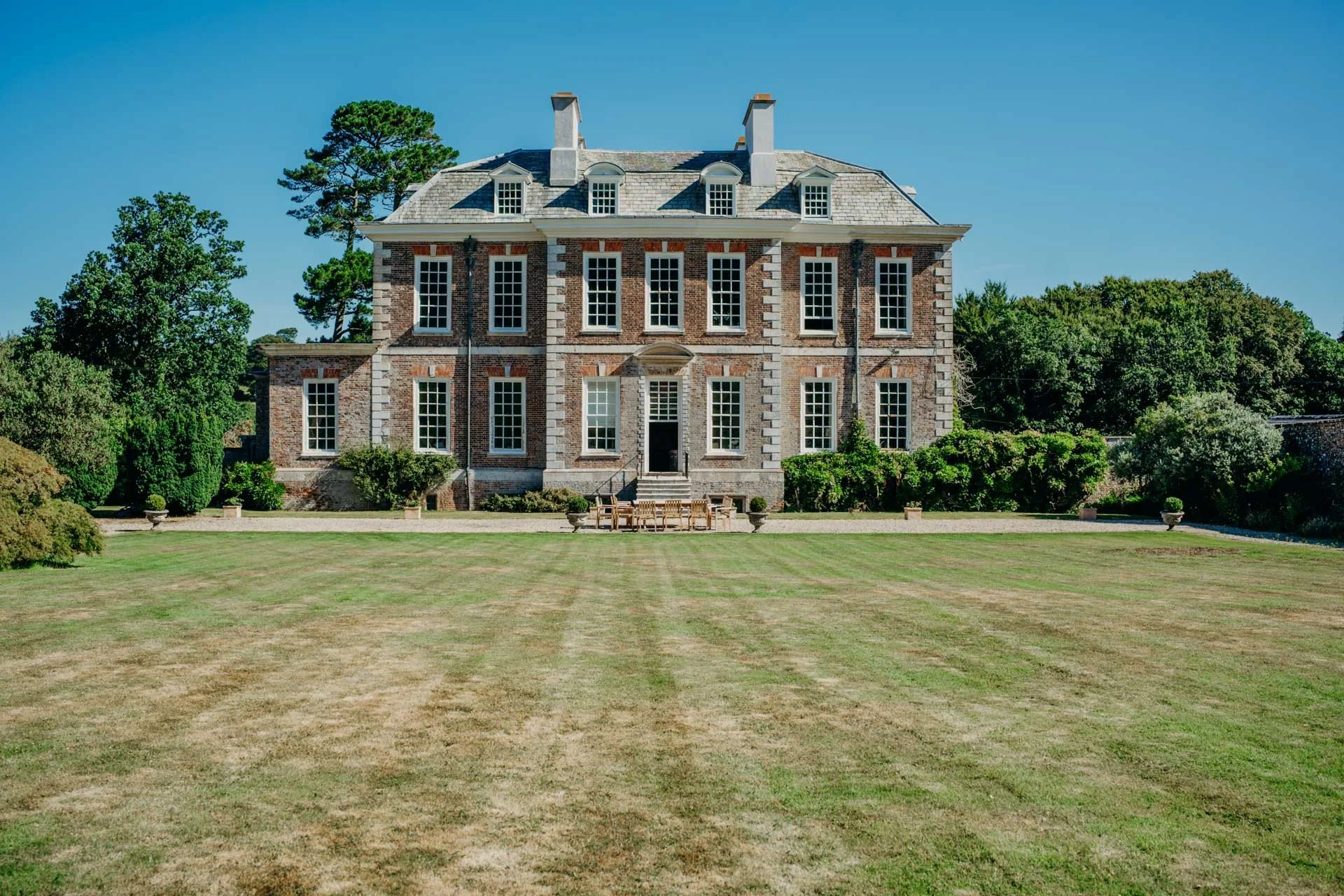
Puslinch House was built between 1720 and 1726 by the Yonge family who still own the house and Puslinch Estate today.
Our History
In 1718, the marriage of James Yonge (a Plymouth surgeon) and Mary Upton of Puslinch brought the estate into the Yonge family’s hands. James through his father Dr James Yonge had the fortune, and the Upton’s, the land. By this marriage it became possible to build a fine new house at Puslinch.
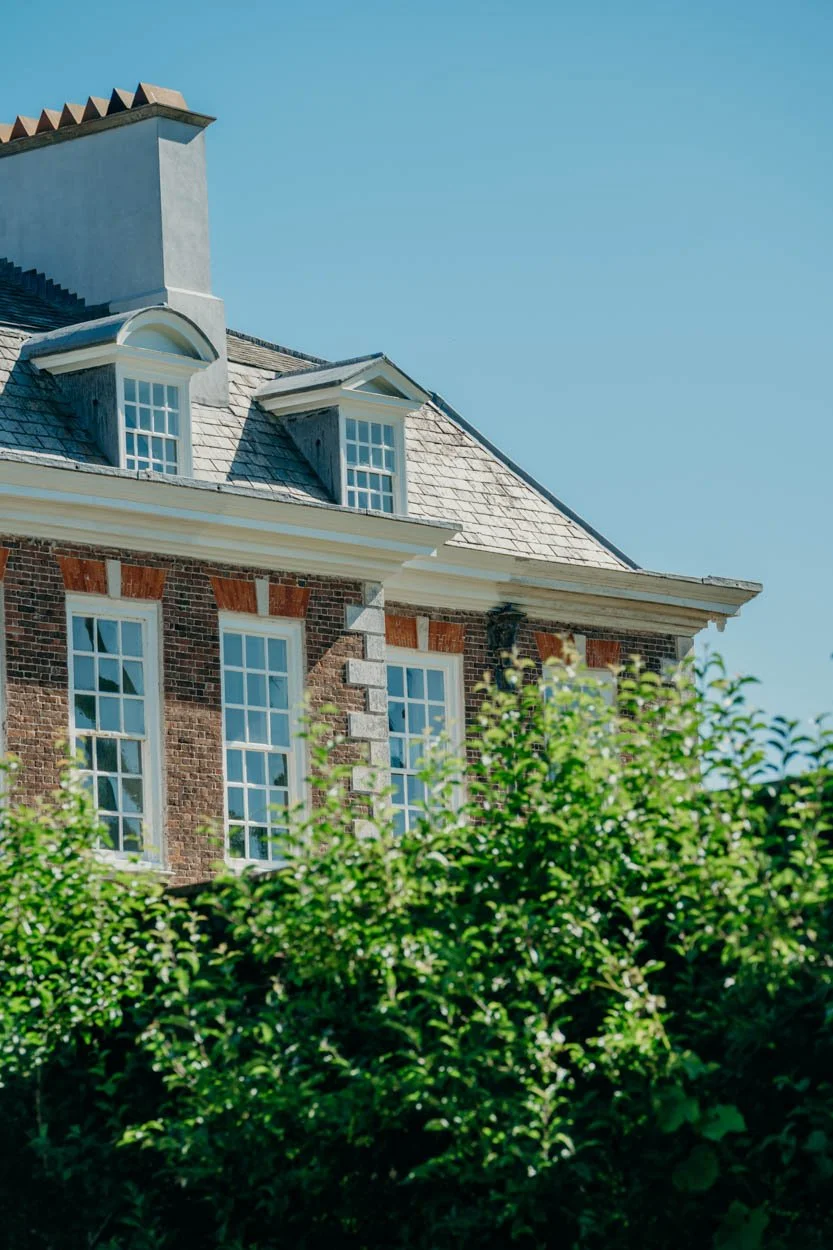
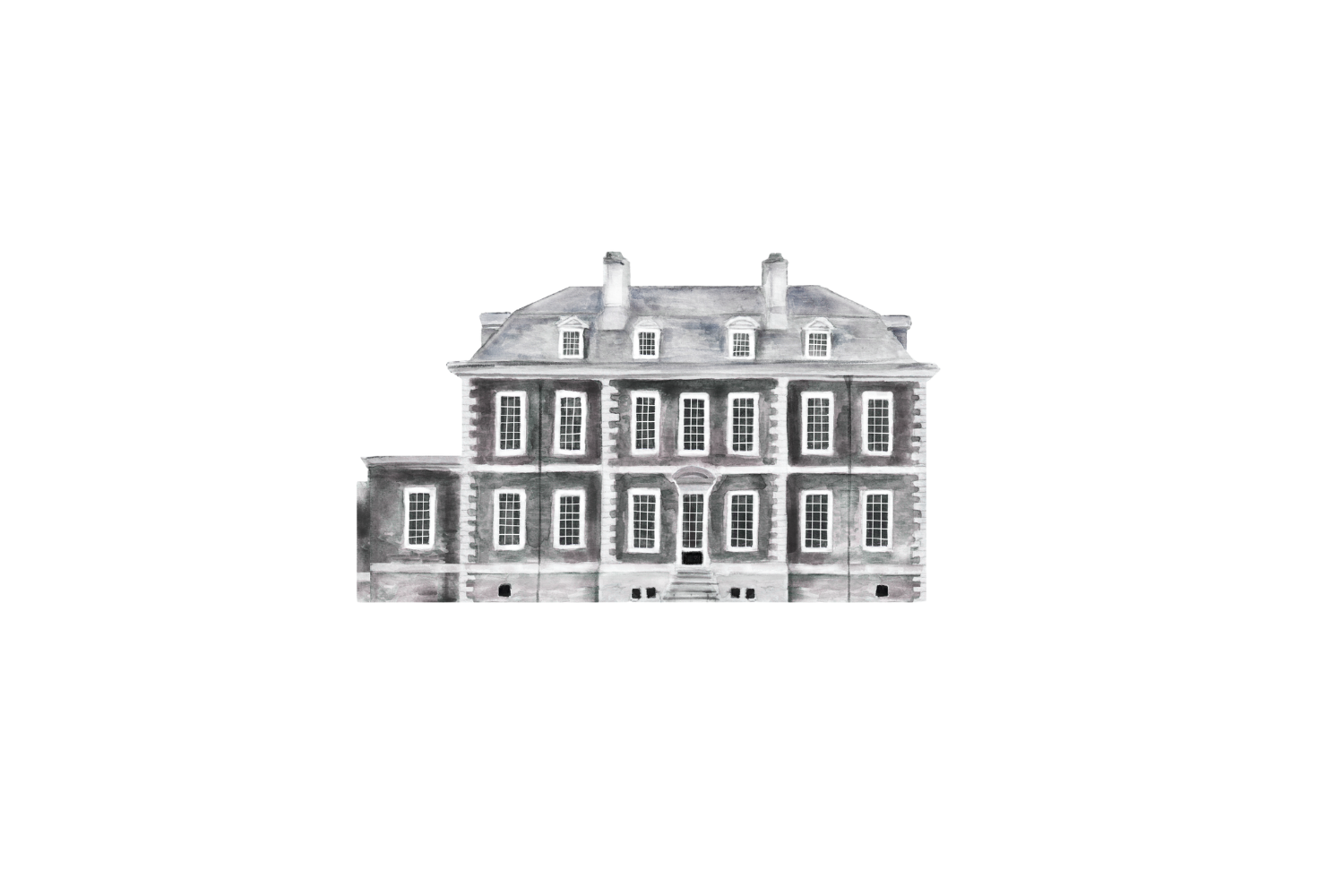
Records suggest it was completed by the early 1720s and cost about £9,000-10,000 at the time. Built of red brick (unusual in Devon for that size at the time) with stone dressings, a slate mansard roof, dormers and symmetrical elevations, the house is Grade I listed for its architectural and historic significance. Pevsner’s Buildings of England describes Puslinch as ‘a perfect example of a medium sized early Georgian country house still in the Queen Anne tradition’.
Whilst the identity of the architect is unknown it is thought he was very probably a pupil of Sir Christopher Wren.
The house was designed for comfort and domestic life rather than ostentatious display - consistent with the Yonge family’s role as local gentry rather than major aristocracy. The grounds include walled gardens, formal enclosures, and a park setting overlooking the valley of the River Yealm.
Almost everything that went into the construction came from the estate. The bricks were made on the site. The chestnut beams came from the estate woods as did the oak for the panelling and wainscotting, which is especially evident in the dining room, and for the staircase treads. Only the white pine and mahogany which was used in the stair rail, had to be brought in.
The house has remained in the Yonge family for generations and continues to be cherished as a family-home today.
The Yonge Family
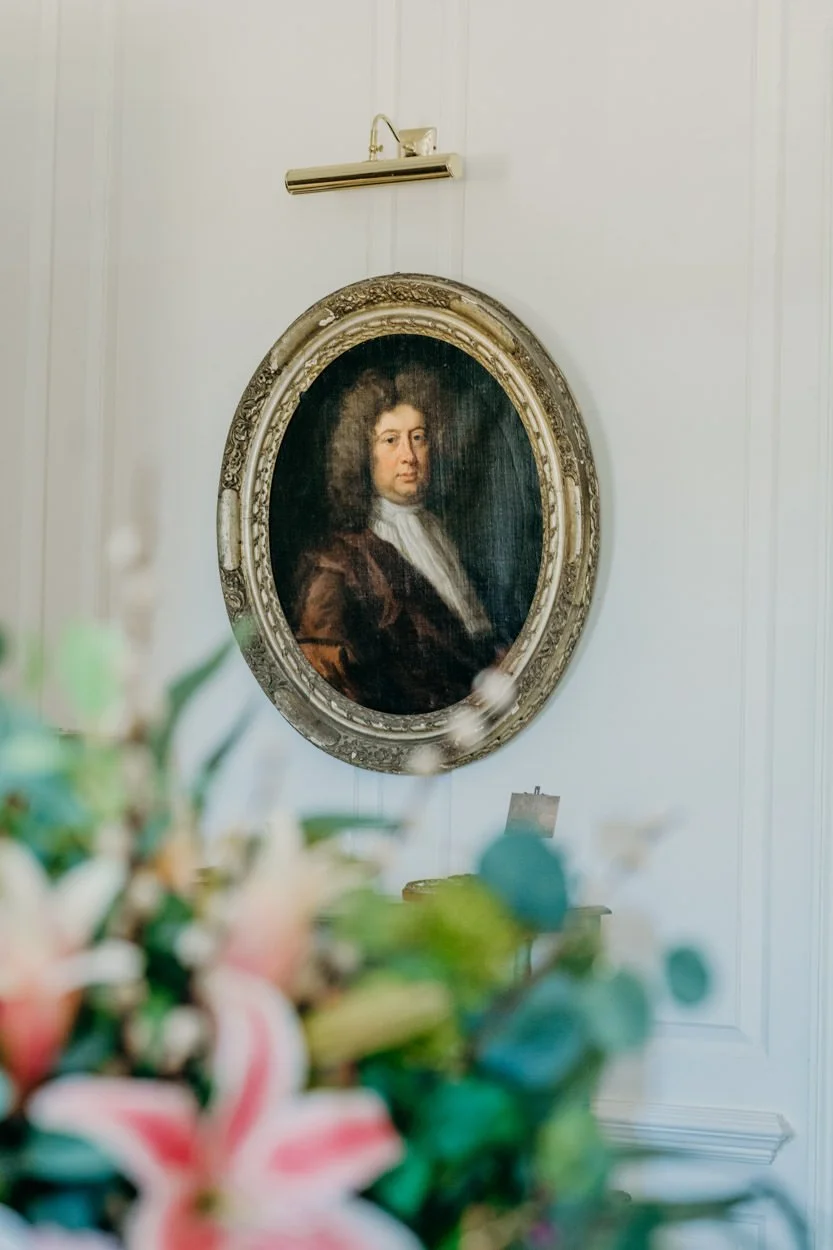
James Yonge (1646-1721)
Dr James Yonge senior was a Royal Navy surgeon and diarist. He went to sea as an apprentice surgeon as a young boy. In his twenties he set up a practice in Plymouth and prospered. He was a member of The Royal College of Physicians and Barber Surgeons, elected a fellow of the Royal Society in 1702 and elected mayor of Plymouth for 1694 and 1695.
He was a colourful and outspoken character who was not afraid to criticise his peers of the time. His local reputation was such that it is recorded he received one hundred pounds for an operation. He was also paid £58 for embalming the body of Admiral Sir Cloudesley Shovel.
He escorted Charle’s II bride, Catherine of Braganza from Portugal, describing her as “waddling like a duck and plainly clad”.
By the age of 25, James Yonge’s journal also records the minutiae of his private and public life.
His medical works include “Currus Triumphalis de Terebintho” which describes the flap operation in amputation, not universally adopted for over two hundred years, and “Wounds of the Brain Proved Curable” in which he described open bran operations including a successful trepanning procedure.
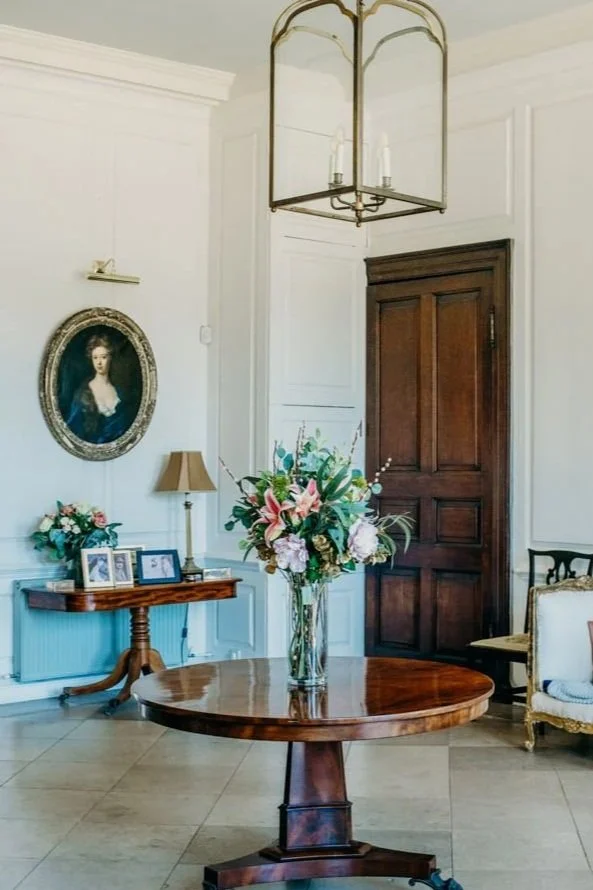
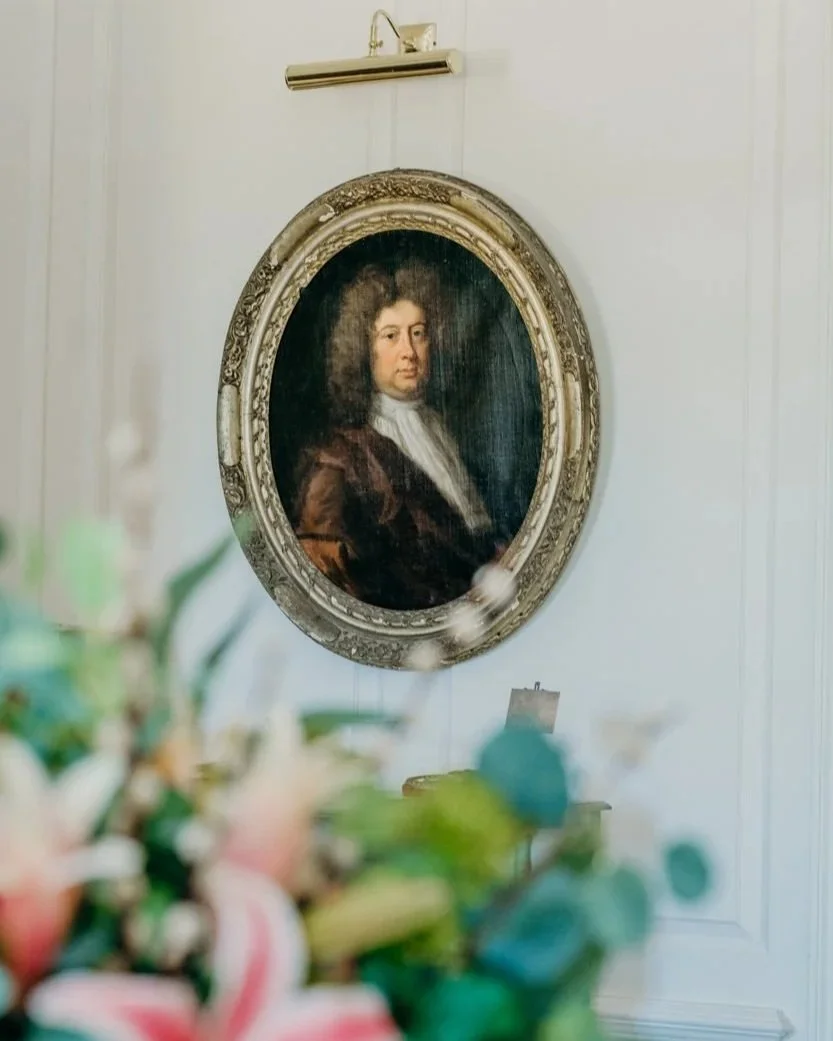
It is believed it was his fortune which funded the building of the current house at Puslinch. His portrait still hangs at Puslinch along with many other portraits of former Yonges who resided at Puslinch.
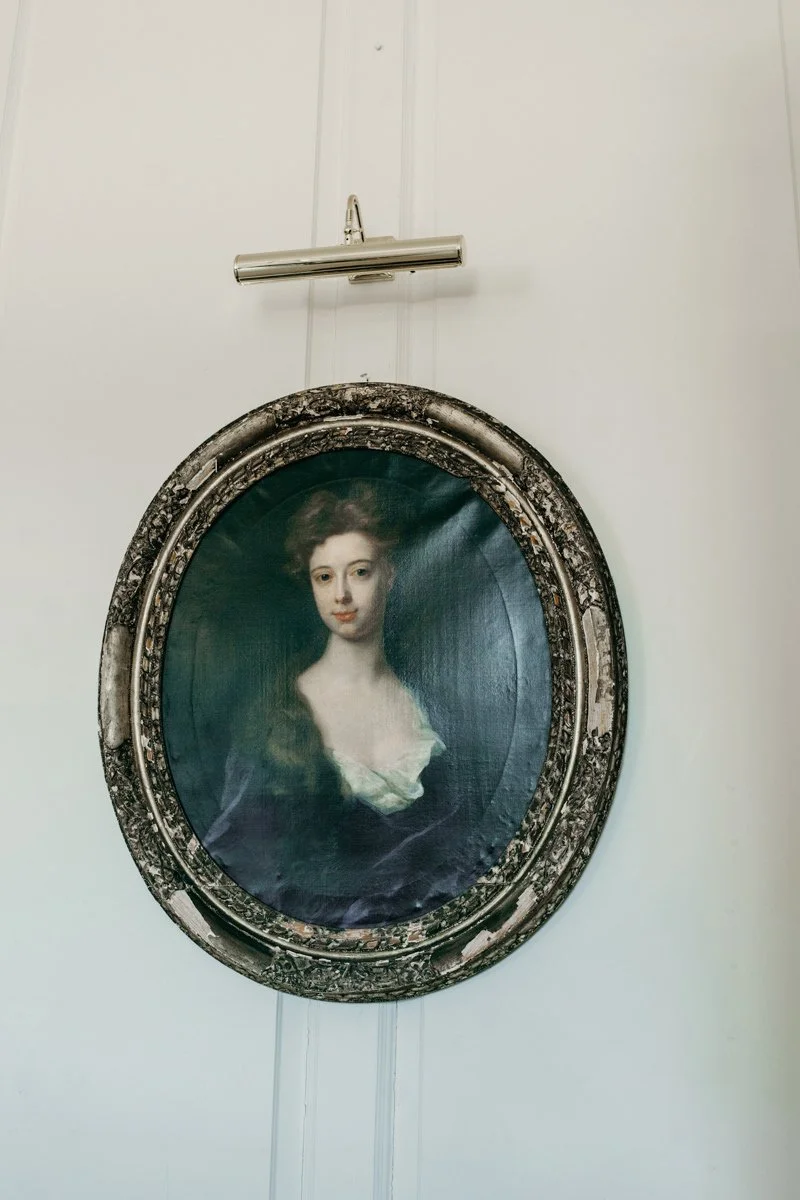
Charlotte Yonge (1823-1901)
A frequent visitor to Puslinch in the mid-19th Century was Charlotte Mary Yonge who was born in 1823 at Otterbourne near Winchester. She visited her aunt Alethea Yonge (nee Bargus) and spent July holidays of a somewhat lonely youth at Puslinch.
Charlotte was a prolific writer of novels, biographies, children’s stories and religious tracts. Her best seller The Heir of Redclyffe, was said to have out-sold Thackerey and Dickens.
Early Origins
Puslinch is thought to be first recorded as “Posling” in the 1238 Assize Roll. There have been various changes in spelling over the years including Posselinch, Poslinch and Puslidge to name but a few. Referred to as a sub manor of Newton Ferrers at the time, Puslinch was given to Roger de Poslinch by William de Ferrers in the 13th Century. He subsequently passed it to Roger de Langford of Ugborough in 1290.
Since that time Puslinch has only known three further families, all by succession, the Mohun’s, the Upton’s and lastly the Yonge’s. Part of the original medieval manor house at Puslinch, currently known as Old Puslinch Farmhouse, still exists. It was thought to be built around four sides of a courtyard in the 13th century. Today only part of the original structure remains, much having been lost in a fire.
KIND WORDS